
Ladder Game | Quick Rules & Play Guide
CardsLadder Game is a step-based cards title where each move invites you to consider whether to continue climbing or stop. Use this page to understand the decision rhythm and inspect the available information before taking any action.
In brief, check the displayed rules and stake first, decide your limit in advance, then treat every step as uncertain rather than as a predictable route to a result.
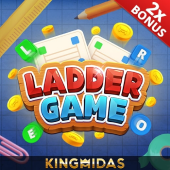 Ladder Game
Before you climb
Read the live rules, note the available choices and set a firm time and spending boundary.
Other quick decisions to browse
Cards



How a Ladder Game decision unfolds
The useful way to approach the format is as a sequence of separate choices, not a promise that one step predicts the next. Start by reading the rules and available actions, make a small initial decision only if the terms are clear, and reassess at each displayed rung.
- Orient yourself. Find the rules, the stake control, and the description of what a successful or unsuccessful step means.
- Choose a boundary. Decide your maximum spend and session length before the first action; do not increase either to recover a loss.
- Review each rung. Pause at the choice shown on screen. Continue only if it remains within the boundary you set, or stop where the interface permits.
- Close the session. Check the result and account history, then leave when your time or money limit is reached.
Labels and controls may vary with the current version, so the on-screen rules take precedence over assumptions based on another title. A comfortable pace is more useful than tapping through decisions quickly.
What makes Ladder Game a step-based card title?
Ladder Game belongs to the cards category in the nwr play catalog, while its defining presentation is a climb made up of successive decisions. That combination can appeal to someone who prefers a visible progression and a pause between actions, but the visual ladder should not be mistaken for a forecast.
Look for the exact conditions attached to each choice: what advances a rung, what ends a run, whether a stop option is available, and how any displayed value is calculated. If one of those points is unclear, do not infer it from the graphics. Open the rules panel or leave the game until its instructions are understandable.
Small-screen details worth noticing
Controls
Confirm which control selects a move and which one exits or pauses. Avoid repeated taps when the screen is still responding.
Terms
Check whether displayed figures refer to a current choice, a possible next step or a completed result.
Connection
Wait for a visible confirmation after an action. If a screen stalls, avoid submitting the same choice repeatedly.
Personal limit
Use a preset stop point. A climb animation or near miss does not improve the odds of the following step.
A phone-friendly layout can make controls easier to reach, but convenience does not change the rules. Keep the display readable and use a private, trusted device when signing in.
Is a Ladder Game demo the same as a paid session?
A Ladder Game demo can help a visitor become familiar with the layout and terminology if a demonstration mode is offered, but its availability and behavior should be confirmed on the current game screen. A demo is useful for learning where controls and rules appear; it does not establish a future result or prove that a paid session will behave identically in every respect.
Before selecting any demo or real-play route, check whether it is clearly identified, whether it uses a practice balance, and what happens when you leave. If those distinctions are not explicit, pause rather than assume. A Ladder Game Demo is not a way to test a winning sequence or estimate a reliable return.
For anyone moving from familiarization to a real-money environment, first verify local eligibility and read applicable terms. Do not deposit simply because a demonstration felt smooth. This page cannot promise access, eligibility, winnings or transaction outcomes.
Choosing a pace that fits your session
The better comparison is not which route appears to climb fastest; it is which one lets you understand the controls, cost and exit conditions before you commit. Ladder Game suits a reader who is comfortable stopping to assess a series of decisions. Someone seeking a rules-light, quick glance may prefer browsing a different title first.
Do not treat a VIP label, reward or interface style as evidence of a better outcome. If you review nwr play vip material or nwr play games listings, compare their stated conditions and keep entertainment spending separate from essential expenses.
What players should evaluate before entering
People considering this format commonly want to know whether the screen is easy to follow, how much control they have over pace, and what information appears before a decision. Those are sensible questions. Confirm them directly in the game, and be prepared to leave if a rule, cost or stop condition remains uncertain.
A useful personal review considers the clarity of the instructions, whether the controls respond predictably, whether the pace feels manageable, and whether the session stays within a preset limit. These observations are about usability, not proof of fairness or a guarantee of results. Do not read this guidance as a testimonial from a specific player or as a claim about a particular outcome.
If the interface creates pressure to continue, take a break. A session should remain optional and affordable. Adults should participate only where lawful, never borrow to play, and seek help if gaming affects finances, relationships, sleep or wellbeing.
Common questions about Ladder Game
Can I predict the next rung?
No. A visual sequence does not reveal or guarantee the outcome of a later choice. Read the rules and treat every step as uncertain.
What should I check first on a phone?
Locate the instructions, stake information and controls before acting. Ensure the screen has finished loading and that you can distinguish a continue action from an exit or stop option.
Is practice access always available?
Not necessarily. Check the current listing for an explicitly described practice or demo mode. Do not assume that an option exists based on another game or a past visit.
Should I keep going after a loss?
No. Chasing losses can turn a planned entertainment session into unplanned spending. Stop at the limit you selected beforehand.
A practical answer for a first visit
If you are opening Ladder Game for the first time, spend the first minute locating the help or rules panel and identifying each control without rushing into a decision. Confirm the meaning of a rung, note any conditions attached to continuing or stopping, and set your personal limit before entering a session. If you cannot explain the next action to yourself, wait or choose another activity.
Readers comparing similar bingo formats can visit the Super Bingo overview to understand a different style of play. For another cards-category option with a distinct decision rhythm, see Iron Dome game information. If you want a familiar number-draw format rather than a climbing sequence, review the Ali Baba game page and check its current instructions independently.
These pages are separate guides, not promises that any title is available or suitable in every location. Keep local rules, age requirements, account terms and responsible-play limits in view when choosing a next step.
Pause, review, then decide
Ladder Game is easiest to assess when you treat every rung as a fresh choice: read the rule, check the cost, stay within a limit and stop if anything is unclear. A compact screen can simplify navigation; it cannot make outcomes predictable.
Use nwr play games listings to explore at your own pace, and approach every promotion with the same care you apply to the game rules. Participation is for adults where lawful and should remain entertainment, not a source of income.